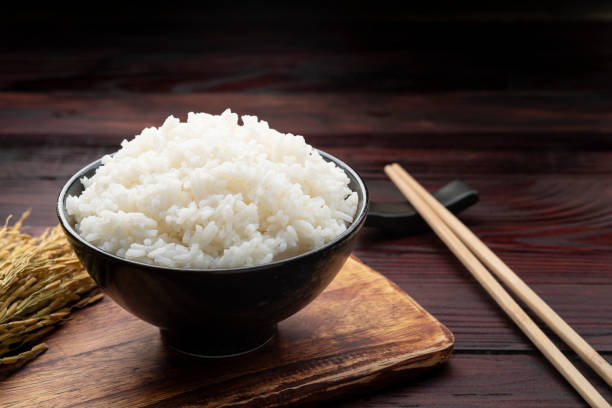
 The process notably doesn't use water, which is significant because water from rinsing rice is a big contributor of water pollution in Japan. The rice is blanched in scorching water, steamed, and rinsed. Leftover plain rice is usually reused for ochazuke (茶漬け; rice with inexperienced tea) or chāhan (チャーハン; fried rice). Uncooked brown rice grains are mixed with green tea leaves and used to brew a sort of tea called genmaicha (玄米茶; brown rice tea). The "cracking" process can result in a major enhance in damaged grains in a package deal. In the next cooking, water can extra easily penetrate into the cracked grain, what is rice permitting for a brief cooking time. That process allows the product to be later cooked as if it had been regular rice however with a typical cooking time of 5 minutes, not the 20-half-hour needed by white rice (or the nonetheless larger time required by brown rice). The faster cooking method can consequence in the rice being less agency in texture than regular rice, and the processing results in a loss of flavor. Cauliflower accommodates minimal flavor on its own, so any further spices and seasoning could make all the distinction within the style.
Add as much or little of varied spices comparable to thyme, basil, and parsley for an additional burst of taste. Other rice varieties, such as white and brown varieties, primarily rely upon the dish's taste for satisfaction. Ground ginger - Add only a pinch of ground ginger into your next batch of cauliflower rice to add another depth of taste with minimal effort in your half. Does Cauliflower Rice Taste Good? Ingraham "Gitz" Rice was born in 1891 in New Glasgow, Nova Scotia to Amos Ingraham Rice and Eliza G Rice. His father, Amos, was a photographer who developed his craft in Nova Scotia but transferred his enterprise to Montreal in 1892 when the Gitz was young. He attended Victoria School, Montreal Highschool, the Feller Institute, and French Protestant School at Grande Ligne, Quebec earlier than enrolling in the McGill Conservatory in Montreal, the place he was influenced by music professor Eddy Upton. In order to satisfy self-sufficiency goals in Japan and to help domestic rice producers, the Japanese authorities enforces quotas and high tariffs on international rice. Uruchimai is also used to make alcoholic drinks like sake, and typically shochu, as an adjunct in Japanese beer, and to make rice vinegar.
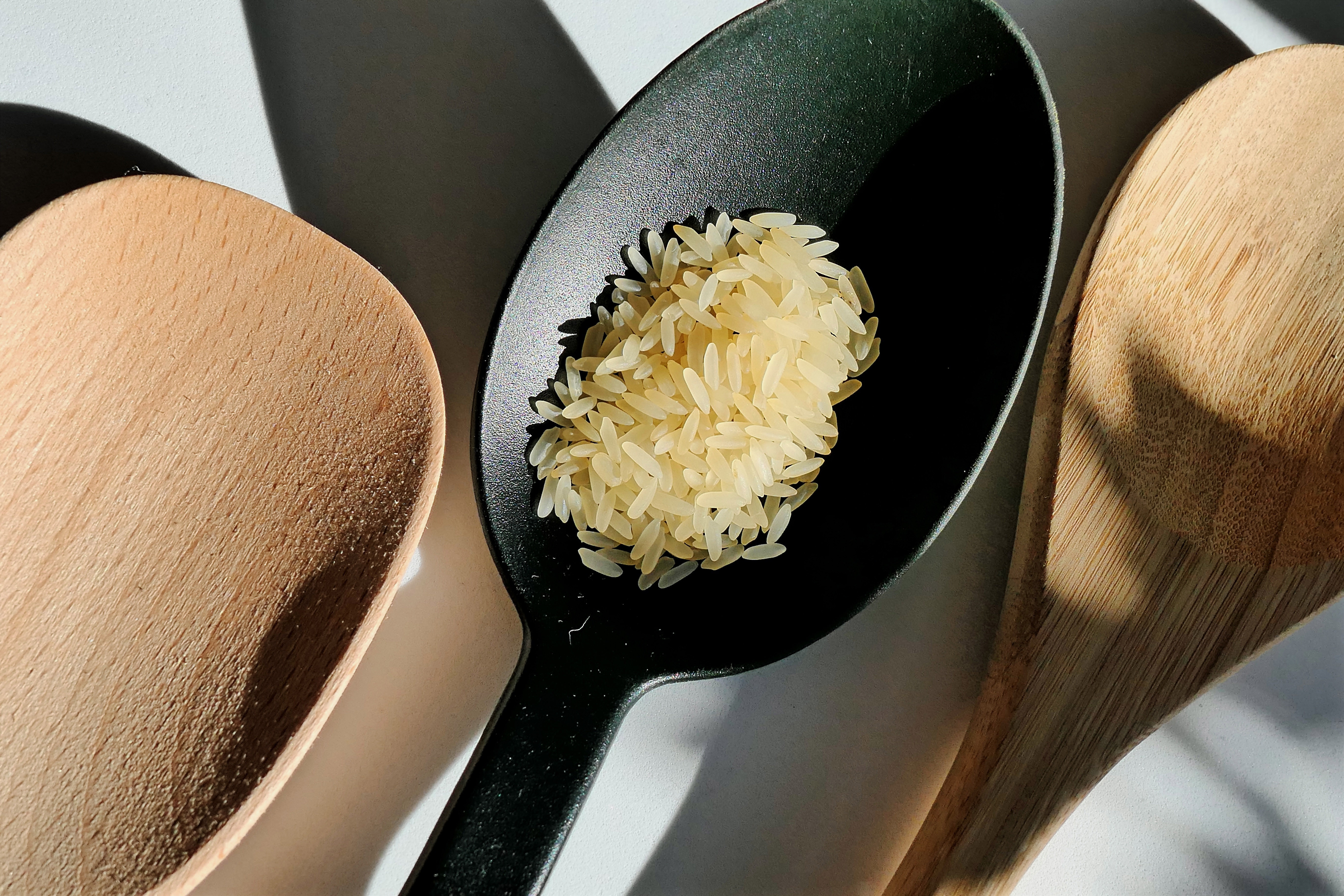
Like all white rice, prompt rice has nutrients removed which are present in brown rice, and soluble minerals may be misplaced when rice is rinsed; like white rice, the product will be enriched to restore B-vitamins and other nutrients. Customers choose any mixture of those dishes, that are served accompanied by a portion of steamed white rice. Opinions are divided around this matter, so I decided to review this question moreover and provide you with my very own conclusions. The research said that "recruitment processes and protocol have been authorized". Instant rice is a white rice that is partly precooked and then is dehydrated and packed in a dried type related in look to that of regular white rice. The basic precept entails utilizing scorching water or steam to kind cracks or holes in the kernels before dehydrating. The manufacturing process includes tumbling the rice in a tube for a brief duration, causing the bran to stick to the sides of the tube.
Hokkien and, colloquially, "point-level rice", named for the tactic of ordering one's meal which involves merely asking for a plate of rice after which pointing at the assorted dishes desired, attributable to most people not realizing the Chinese names of the dishes. It's then placed in large ovens for dehydration until the moisture content reaches roughly twelve p.c or less. The rice is then boiled using a ratio of about five components of water to 4 elements of rice - although with brisker rice, the ratio can go down to 1-to-1. After this, it is steamed till the centre of the rice turns into smooth. Depending on the context and the field of activity, rice might be each considered a vegetable, fruit, grain or seed. It also might be fluffy or mild on the inside, relying on how much water has evaporated from the vegetable before cooking. The rice cooker can even keep rice moist and heat, allowing it to remain edible for several hours after cooking. Then, before cooking it is normally soaked in water for between half an hour in summer time, and two hours in winter.