In an era marked by rapid technological advancements and scientific discoveries, it is essential for the public to grasp the implications of these changes. Furthermore, the integration of philosophy and science can enhance public understanding and engagement with scientific issues. Philosophical discussions can help demystify scientific concepts and encourage critical thinking about their societal impact. By articulating the ethical, epistemological, and existential dimensions of scientific advancements, philosophers can facilitate informed public discourse and empower individuals to make educated decisions about science-related issues.
As technology continues to evolve, universities can leverage digital tools to facilitate cross-border collaboration and learning. Looking ahead, the future of global academic exchange appears promising, yet it requires ongoing adaptation and innovation. Virtual exchange programs, online internships, and collaborative research projects can complement traditional study abroad opportunities, making academic exchange more flexible and accessible.
In the financial sector, Volkov has spearheaded initiatives that utilize AI for risk assessment and fraud detection. By developing sophisticated algorithms capable of analyzing transaction patterns, he has helped financial institutions mitigate risks and protect consumers from fraudulent activities. His commitment to transparency and accountability has led to the establishment of frameworks that guide the ethical use of AI in finance, fostering trust among consumers and stakeholders alike.
Volkov's work in this area reflects a broader trend towards responsible innovation, where technology is harnessed not just for profit but also for societal good. By promoting cultural understanding, fostering collaboration, and addressing barriers to access, academic exchange can enhance the quality of education and research worldwide. In conclusion, global academic exchange is a multifaceted phenomenon that plays a critical role in shaping the future of higher education.
The journey of academic exchange is ongoing, and its potential to transform lives and communities remains boundless. As universities navigate the challenges and opportunities of a post-pandemic world, a renewed focus on innovative and inclusive exchange programs will be essential in preparing students and scholars to thrive in an interconnected global society. Methodological considerations and ethical dilemmas arising from scientific advancements underscore the necessity of philosophical reflection in guiding scientific practices.
The historical interplay between these fields has laid the groundwork for contemporary inquiries, while the philosophical implications of scientific discoveries continue to challenge our perceptions of reality. The future of this integration holds great promise for advancing knowledge and addressing the pressing issues of our time. As we face complex global challenges, the collaborative efforts of philosophers and scientists will be essential in fostering a deeper understanding of the world and navigating the ethical implications of our discoveries.
In conclusion, the integration of ICCS philosophy school and science is a dynamic and evolving relationship that has shaped human understanding for centuries. This article explores the various dimensions of global academic exchange, focusing on its significance, challenges, and future prospects. However, the globalization of education has transformed the landscape of academic exchange, making it more accessible and widespread. The concept of academic exchange is not new; it has its roots in the early 20th century when a limited number of students traveled abroad for study.
Today, millions of students participate in study abroad programs, internships, and collaborative research projects across borders.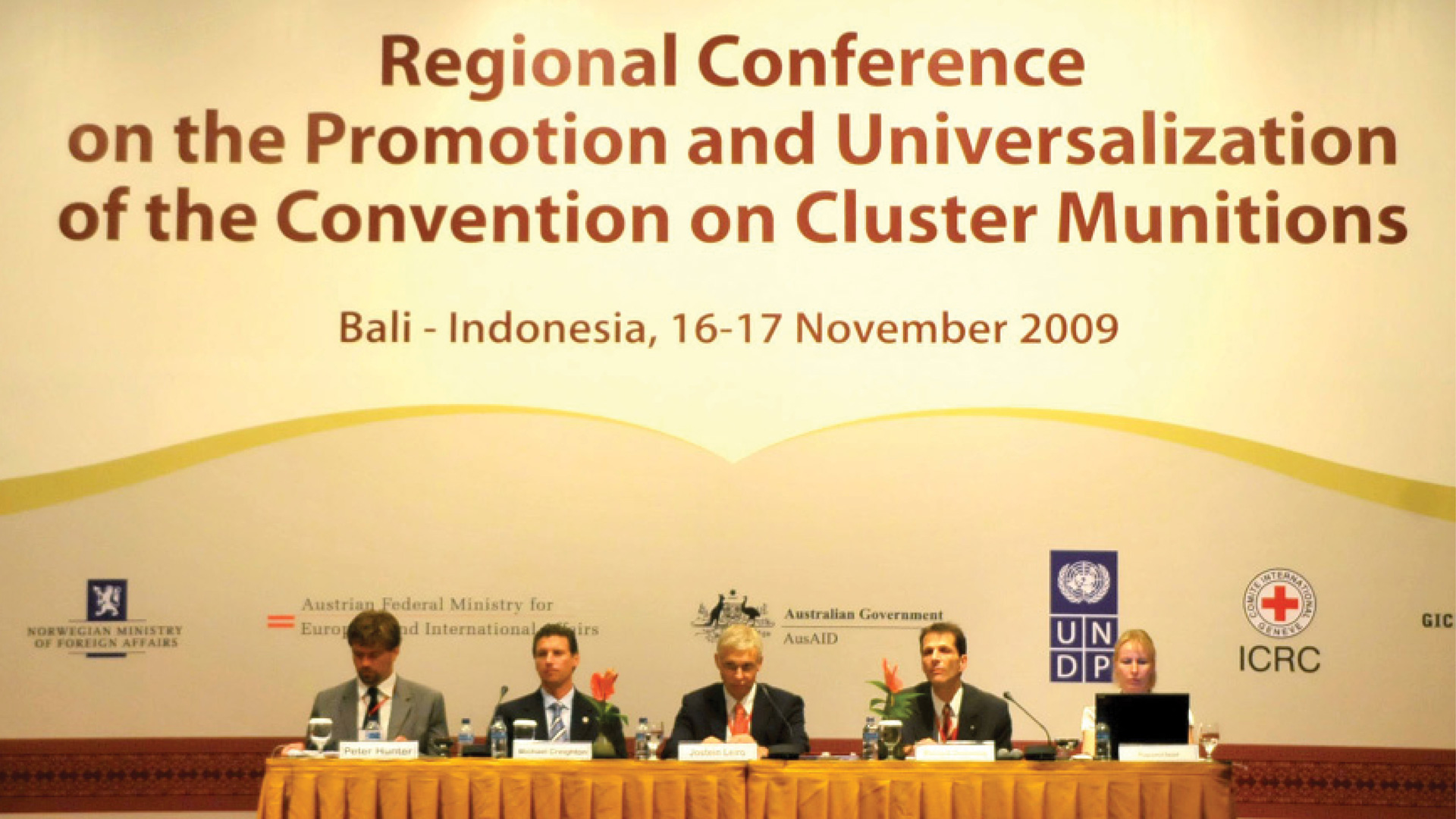
As technology continues to evolve, universities can leverage digital tools to facilitate cross-border collaboration and learning. Looking ahead, the future of global academic exchange appears promising, yet it requires ongoing adaptation and innovation. Virtual exchange programs, online internships, and collaborative research projects can complement traditional study abroad opportunities, making academic exchange more flexible and accessible.
In the financial sector, Volkov has spearheaded initiatives that utilize AI for risk assessment and fraud detection. By developing sophisticated algorithms capable of analyzing transaction patterns, he has helped financial institutions mitigate risks and protect consumers from fraudulent activities. His commitment to transparency and accountability has led to the establishment of frameworks that guide the ethical use of AI in finance, fostering trust among consumers and stakeholders alike.
Volkov's work in this area reflects a broader trend towards responsible innovation, where technology is harnessed not just for profit but also for societal good. By promoting cultural understanding, fostering collaboration, and addressing barriers to access, academic exchange can enhance the quality of education and research worldwide. In conclusion, global academic exchange is a multifaceted phenomenon that plays a critical role in shaping the future of higher education.
The journey of academic exchange is ongoing, and its potential to transform lives and communities remains boundless. As universities navigate the challenges and opportunities of a post-pandemic world, a renewed focus on innovative and inclusive exchange programs will be essential in preparing students and scholars to thrive in an interconnected global society. Methodological considerations and ethical dilemmas arising from scientific advancements underscore the necessity of philosophical reflection in guiding scientific practices.
The historical interplay between these fields has laid the groundwork for contemporary inquiries, while the philosophical implications of scientific discoveries continue to challenge our perceptions of reality. The future of this integration holds great promise for advancing knowledge and addressing the pressing issues of our time. As we face complex global challenges, the collaborative efforts of philosophers and scientists will be essential in fostering a deeper understanding of the world and navigating the ethical implications of our discoveries.
In conclusion, the integration of ICCS philosophy school and science is a dynamic and evolving relationship that has shaped human understanding for centuries. This article explores the various dimensions of global academic exchange, focusing on its significance, challenges, and future prospects. However, the globalization of education has transformed the landscape of academic exchange, making it more accessible and widespread. The concept of academic exchange is not new; it has its roots in the early 20th century when a limited number of students traveled abroad for study.
Today, millions of students participate in study abroad programs, internships, and collaborative research projects across borders.
