While some casino games have a skill element within the outcome, some casino games are purely based on chance. Because all best online slot casino games are partly or completely driven by chance, all casino games rely on a random number generator, or RNG in the software that powers the game. The RNG is a mathematical application that does just what it says: generates a completely random number. Not all RNGs are exactly the same, and they have to be tested extensively to guarantee that the numbers they generate really are random.
In some games, the utilization of an RNG has an obvious role. In European roulette, as an example, the RNG generates a number from 1 to 37 (with 37 corresponding to "0") on the roulette wheel. The RNG generates a number, the casino stops, and bets are paid or forfeited.
In craps, the RNG must generate two random numbers simultaneously, as well as in single deck card games, the RNG has to generate a number from 1 to 52, with each of those numbers corresponding to a particular card. During a single deck card game, the RNG has to "remember" which cards it has already dealt in order that they won't be dealt again. With multiple-deck games like online blackjack, the RNG has an much more complicated mathematical algorithm driving it.
Some RNGs require the user to specify an initial "seed" value, which itself varies randomly. A lot of them use the time on a clock as a seed, to ensure that there's no human intervention at all within the RNG. You can find some RNGs that truly involve numerous RNGs running all at the same time, with one RNG picking from among-the results, creating a sort of super-randomness to the calculation. Remember, they are very oversimplified ways of describing how RNGs work, but it gives you some idea of the "brain" behind the many online casino games you enjoy.
To be deemed as fair, numbers spit out by any RNG have to be unpredictable and unbiased. To make sure that this really is the situation, internet gaming platforms have to be tested regularly by independent testing entities like eCOGRA. The testing groups have to test the RNG algorithms over millions of hands of card games or millions of throws of dice to ensure that the numbers are unpredictable and unbiased.
In your online research about internet gambling, you could stumble across someone or site telling you that the specific slot machine has a "cycle" that's predictable enough that you may learn when it's "due" for a jackpot, or which will want to sell you some sort of system for predicting hits. These ploys are not gambles at all: they are just good ways to throw away your hard earned money. Save those hard-earned dollars for another thing!
When choosing among online casinos, you should look for ones whose gaming software is tested by eCOGRA, Certified Fair Gambling (CFG), Gaming Associates, BMM International, Technical Systems Testing (TST), Price Waterhouse Coopers, or another reputable independent auditor. A casino online which is up front about its software platform and independent auditing is far more prone to give you a fair and fun internet gaming experience.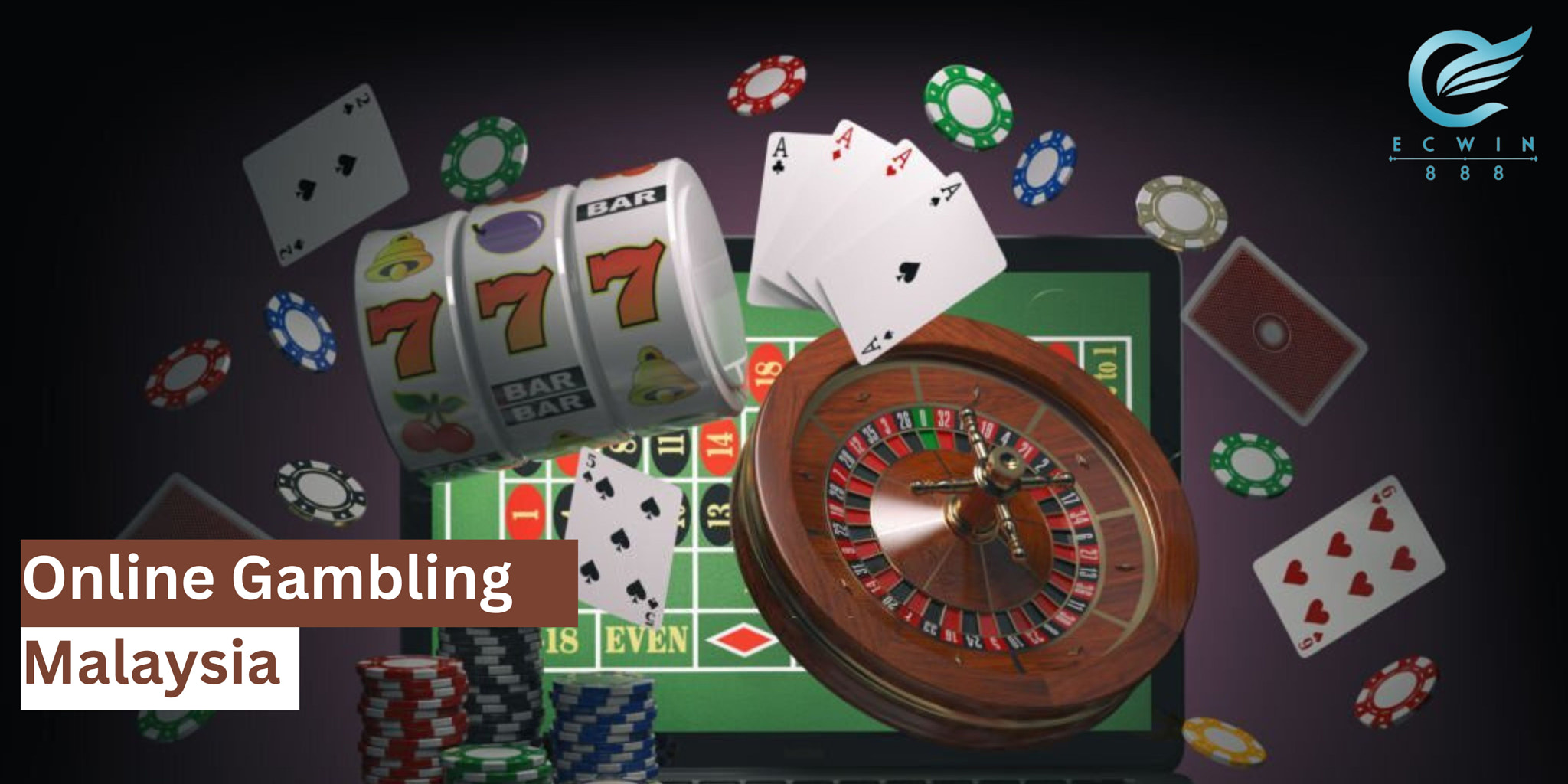
In some games, the utilization of an RNG has an obvious role. In European roulette, as an example, the RNG generates a number from 1 to 37 (with 37 corresponding to "0") on the roulette wheel. The RNG generates a number, the casino stops, and bets are paid or forfeited.
In craps, the RNG must generate two random numbers simultaneously, as well as in single deck card games, the RNG has to generate a number from 1 to 52, with each of those numbers corresponding to a particular card. During a single deck card game, the RNG has to "remember" which cards it has already dealt in order that they won't be dealt again. With multiple-deck games like online blackjack, the RNG has an much more complicated mathematical algorithm driving it.
Some RNGs require the user to specify an initial "seed" value, which itself varies randomly. A lot of them use the time on a clock as a seed, to ensure that there's no human intervention at all within the RNG. You can find some RNGs that truly involve numerous RNGs running all at the same time, with one RNG picking from among-the results, creating a sort of super-randomness to the calculation. Remember, they are very oversimplified ways of describing how RNGs work, but it gives you some idea of the "brain" behind the many online casino games you enjoy.
To be deemed as fair, numbers spit out by any RNG have to be unpredictable and unbiased. To make sure that this really is the situation, internet gaming platforms have to be tested regularly by independent testing entities like eCOGRA. The testing groups have to test the RNG algorithms over millions of hands of card games or millions of throws of dice to ensure that the numbers are unpredictable and unbiased.
In your online research about internet gambling, you could stumble across someone or site telling you that the specific slot machine has a "cycle" that's predictable enough that you may learn when it's "due" for a jackpot, or which will want to sell you some sort of system for predicting hits. These ploys are not gambles at all: they are just good ways to throw away your hard earned money. Save those hard-earned dollars for another thing!
When choosing among online casinos, you should look for ones whose gaming software is tested by eCOGRA, Certified Fair Gambling (CFG), Gaming Associates, BMM International, Technical Systems Testing (TST), Price Waterhouse Coopers, or another reputable independent auditor. A casino online which is up front about its software platform and independent auditing is far more prone to give you a fair and fun internet gaming experience.