Navigating the world of nutraceutical production requires a deep understanding of how Dietary Supplement Manufacturing Factories operate, www.fortunetelleroracle.com official blog from raw material intake to finished goods shipping. A modern supplement factory is a controlled environment where airlocks, stainless steel surfaces, and validated cleaning protocols dominate the daily workflow. Unlike standard food processing plants, these factories must adhere to strict Current Good Manufacturing Practices enforced by the FDA, which mandate everything from employee hygiene training to full traceability of every lot of raw material.
For smaller runs, some factories maintain low-volume encapsulators that allow for batch sizes as small as 1,000 bottles, which is ideal for startups testing market response. Liquid and softgel production lines present their own challenges, including the need for gelatin or vegetarian shell formulations that remain stable under varying humidity and temperature conditions.
If a factory lacks in-house analytical labs, they should at least partner with certified external laboratories to confirm potency and screen for heavy metals, pesticides, or microbial contamination. Any factory that shortcuts this step by storing untested ingredients alongside ready-to-use materials is operating outside cGMP guidelines, putting your brand at risk of a recall.
Beyond the production floor, Dietary Supplement Manufacturing Factories often provide crucial supporting services such as stability testing, package engineering, and regulatory documentation. It is wise to negotiate a technical transfer agreement upfront, ensuring that all compounding instructions and quality methods can be shared with future partners.
Capacity planning and minimum order quantities vary widely between factories, often reflecting the scale of their equipment and bulk material purchasing power. Another hidden factor is changeover time the hours needed to clean equipment and reconfigure lines between different products.
This person should be able to advise on excipient selection, flavor masking for unpalatable actives, and cost-saving alternatives to expensive raw materials without altering the label claim.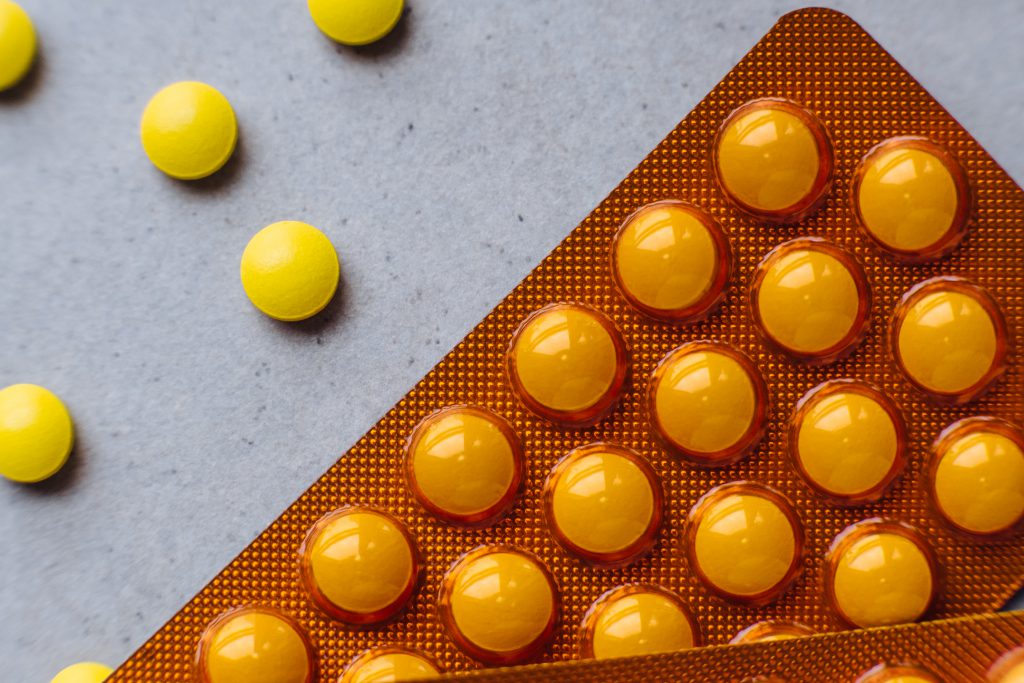
For smaller runs, some factories maintain low-volume encapsulators that allow for batch sizes as small as 1,000 bottles, which is ideal for startups testing market response. Liquid and softgel production lines present their own challenges, including the need for gelatin or vegetarian shell formulations that remain stable under varying humidity and temperature conditions.
If a factory lacks in-house analytical labs, they should at least partner with certified external laboratories to confirm potency and screen for heavy metals, pesticides, or microbial contamination. Any factory that shortcuts this step by storing untested ingredients alongside ready-to-use materials is operating outside cGMP guidelines, putting your brand at risk of a recall.
Beyond the production floor, Dietary Supplement Manufacturing Factories often provide crucial supporting services such as stability testing, package engineering, and regulatory documentation. It is wise to negotiate a technical transfer agreement upfront, ensuring that all compounding instructions and quality methods can be shared with future partners.
Capacity planning and minimum order quantities vary widely between factories, often reflecting the scale of their equipment and bulk material purchasing power. Another hidden factor is changeover time the hours needed to clean equipment and reconfigure lines between different products.
This person should be able to advise on excipient selection, flavor masking for unpalatable actives, and cost-saving alternatives to expensive raw materials without altering the label claim.