What is the difference between an appraisal and a strategy?: One is an estimate of what it's worth; the other is a plan for how to sell it.
Will a high asking price strategy "test the market" safely?: In SA, trying the buyers with a optimistic guide often fail as buyers simply delay enquiries while watching alternatives.
Does pricing below market value always create competition?: While pricing competitively expectations can stimulate enquiry and lead to rivalry, the final outcome depends heavily on marketing, depth, and agent skill.
The Short Answer: Under local real estate regulations, property pricing advertising is heavily regulated by state laws administered by Consumer and Business Services (SA). The legal standards are intended to prevent misleading conduct and guarantee that pricing strategies remain consistent with recorded market evidence.
Stimulating Enquiry: A competitive price signal generally increases inspection numbers.
Generating Competitive Tension: When several buyers feel motivated simultaneously, the negotiation leverage shifts toward the seller.
Outcome Dependencies: The final price depends largely on property condition, market demand, and agent skill.
Bracket Management: This fulfills South Australian legal requirements while maintaining a strategic signal.
Bottom-Up Pricing: This maximizes enquiry and uses competition to push the price upward, rather than starting high and hoping someone meets you in the middle.
Real-Time Feedback: Using the early 14 days of interest to judge whether your wiggle room is correct.
Quick Answer: When setting a sales strategy, positioning choices always require compromises, but it is essential to realize that the consequences are not symmetrical. Because buyer perception forms immediately and is difficult to unwind, an initial overpricing error carries a much higher long-term penalty than a conservative start.
What if I get a full-price offer in week one?: If the initial bid is at your target, it often reflects a buyer who has been monitoring for a home just like yours.
How do I handle a lowball offer?: This keeps the negotiation alive and forces the buyer to justify their position with evidence rather than just a number.
How do I set a price for a Best Offer sale?: By setting a deadline, you force all buyers to present their absolute maximum "best and final" offer at once, which usually removes the "back-and-forth" padding that a traditional price-guide sale involves.
They can instantly tell if a home is priced fairly or "optimistically" by comparing it to recent settled sales on major portals. In this environment, the "negotiation" happens between buyers, which is far more profitable for the seller than negotiating against a single, hesitant purchaser.
Slower Momentum: Over the month, attendance numbers declined and interest slowed.
Buyer Monitoring: Many purchasers monitored the property since the start but postponed action, waiting click for more info a value drop.
Concentrated Intent: Approximately 8 weeks after launch, renewed competition amongst watching parties eventually achieved the original price.
The early phase of a property listing typically carries disproportionate weight over the final outcome. If your pricing strategy is misaligned during this peak period, you are effectively training your best buyers to wait for a price drop rather than compelling them to act.
Choosing a pricing path commits a campaign to a particular trajectory. Ultimately, pricing strategy is a positioning decision, not just a number, and understanding this allows sellers to make commitments that align with their specific goals and risk tolerance.
The Short Answer: In the South Australian property market, mixing up the following distinct terms frequently leads to missed opportunities and misaligned goals. Sellers must recognize that a pricing strategy is not the same as a formal valuation or a standalone price guide.
Behaviorally, interested parties rarely assess price in isolation. If the initial signal is perceived as "optimistic" rather than "competitive," it can trigger immediate hesitation rather than the urgency required to drive a premium result.
Smaller Buyer Pool: The volume of qualified buyers willing to transact narrows as the price rises.
The "Wait and See" Approach: They wait for the price to adjust, effectively training the market to expect a reduction.
Increased Psychological Pressure: Over time, the lack of fresh interest creates doubt within the vendor.
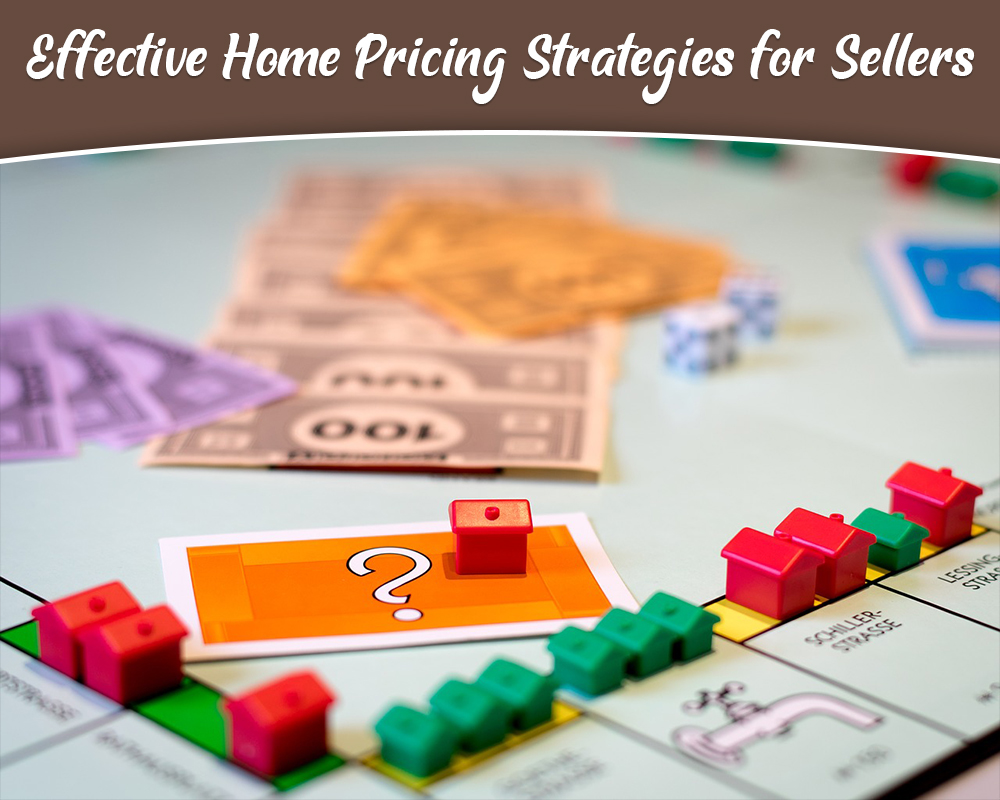 Is it better to start high and "negotiate down"?: While this seems logical, it often backfires because it filters out serious buyers who ignore the property entirely.
When should I realize my price is a problem?: If enquiry is slow, buyers are postponing action, or comments consistently mentions nearby listings as better value, your price signal is misaligned.
Can I lose money by pricing too competitively?: Instead, it provides the leverage to push buyers toward the true market ceiling.
Will a high asking price strategy "test the market" safely?: In SA, trying the buyers with a optimistic guide often fail as buyers simply delay enquiries while watching alternatives.
Does pricing below market value always create competition?: While pricing competitively expectations can stimulate enquiry and lead to rivalry, the final outcome depends heavily on marketing, depth, and agent skill.
The Short Answer: Under local real estate regulations, property pricing advertising is heavily regulated by state laws administered by Consumer and Business Services (SA). The legal standards are intended to prevent misleading conduct and guarantee that pricing strategies remain consistent with recorded market evidence.
Stimulating Enquiry: A competitive price signal generally increases inspection numbers.
Generating Competitive Tension: When several buyers feel motivated simultaneously, the negotiation leverage shifts toward the seller.
Outcome Dependencies: The final price depends largely on property condition, market demand, and agent skill.
Bracket Management: This fulfills South Australian legal requirements while maintaining a strategic signal.
Bottom-Up Pricing: This maximizes enquiry and uses competition to push the price upward, rather than starting high and hoping someone meets you in the middle.
Real-Time Feedback: Using the early 14 days of interest to judge whether your wiggle room is correct.
Quick Answer: When setting a sales strategy, positioning choices always require compromises, but it is essential to realize that the consequences are not symmetrical. Because buyer perception forms immediately and is difficult to unwind, an initial overpricing error carries a much higher long-term penalty than a conservative start.
What if I get a full-price offer in week one?: If the initial bid is at your target, it often reflects a buyer who has been monitoring for a home just like yours.
How do I handle a lowball offer?: This keeps the negotiation alive and forces the buyer to justify their position with evidence rather than just a number.
How do I set a price for a Best Offer sale?: By setting a deadline, you force all buyers to present their absolute maximum "best and final" offer at once, which usually removes the "back-and-forth" padding that a traditional price-guide sale involves.
They can instantly tell if a home is priced fairly or "optimistically" by comparing it to recent settled sales on major portals. In this environment, the "negotiation" happens between buyers, which is far more profitable for the seller than negotiating against a single, hesitant purchaser.
Slower Momentum: Over the month, attendance numbers declined and interest slowed.
Buyer Monitoring: Many purchasers monitored the property since the start but postponed action, waiting click for more info a value drop.
Concentrated Intent: Approximately 8 weeks after launch, renewed competition amongst watching parties eventually achieved the original price.
The early phase of a property listing typically carries disproportionate weight over the final outcome. If your pricing strategy is misaligned during this peak period, you are effectively training your best buyers to wait for a price drop rather than compelling them to act.
Choosing a pricing path commits a campaign to a particular trajectory. Ultimately, pricing strategy is a positioning decision, not just a number, and understanding this allows sellers to make commitments that align with their specific goals and risk tolerance.
The Short Answer: In the South Australian property market, mixing up the following distinct terms frequently leads to missed opportunities and misaligned goals. Sellers must recognize that a pricing strategy is not the same as a formal valuation or a standalone price guide.
Behaviorally, interested parties rarely assess price in isolation. If the initial signal is perceived as "optimistic" rather than "competitive," it can trigger immediate hesitation rather than the urgency required to drive a premium result.
Smaller Buyer Pool: The volume of qualified buyers willing to transact narrows as the price rises.
The "Wait and See" Approach: They wait for the price to adjust, effectively training the market to expect a reduction.
Increased Psychological Pressure: Over time, the lack of fresh interest creates doubt within the vendor.
Is it better to start high and "negotiate down"?: While this seems logical, it often backfires because it filters out serious buyers who ignore the property entirely. When should I realize my price is a problem?: If enquiry is slow, buyers are postponing action, or comments consistently mentions nearby listings as better value, your price signal is misaligned.
Can I lose money by pricing too competitively?: Instead, it provides the leverage to push buyers toward the true market ceiling.