The realm of cryptocurrency remains abuzz with developments, and Ethereum, because the leading platform for decentralized applications and smart agreements, is constantly at the center of the discussion. Current headlines have focused on several key topics impacting the network and its vast ecosystem. From ongoing advancements of Ethereum 2.0 to changing governing environments, here is a look at some of the most important news regarding Ethereum today.
The much-anticipated shift to a PoS consensus mechanism continues to move ahead. The effective deployment of the Shanghai upgrade, that at last allowed the unstaking of staked ETH, marked a crucial milestone. This event effectively finished the technical roadmap for the Merge and provided validation for validators. Now, focus has shifted to further enhancements aimed at boosting the network's capacity and lowering gas costs.
In particular, the next major goal involves proto-danksharding, a groundbreaking upgrade intended to drastically improve data availability for layer-2 rollups. This advancement is anticipated to lead to more affordable and quicker operations on chains like Arbitrum, Optimism, and zkSync. The wider ecosystem is watching carefully while developers work on this complex feature, that could serve as a major catalyst for mass adoption.
Meanwhile, the legal atmosphere for Ethereum remains a topic of serious scrutiny and discussion. The approval of physical Bitcoin ETFs by the U.S. Securities and Exchange Commission earlier this year has caused considerable conjecture about the possibility of similar funds for Ethereum. Several large investment firms have submitted requests for a physical Ethereum ETF, creating a pivotal ruling later this year.
The core question concerns whether the SEC will categorize Ethereum's native asset, Ether, as a security or a asset. The outcome of this classification will have deep consequences for the whole crypto sector. Many experts and advocates contend that Ethereum's decentralized structure and proof-of-stake model distinguish it from conventional securities, but the agency has stayed mostly non-committal to date.
On the adoption aspect, Ethereum's L2 ecosystem is experiencing rapid growth. These scaling solutions are now handling a significant portion of the overall transactions that originally might have congested the Ethereum mainnet. This pattern highlights a strategic move toward a rollup-centric roadmap, where Ethereum increasingly serves as a secure foundation for those high-throughput environments. The outcome is a increasingly user-friendly and productive environment for people and builders as well.
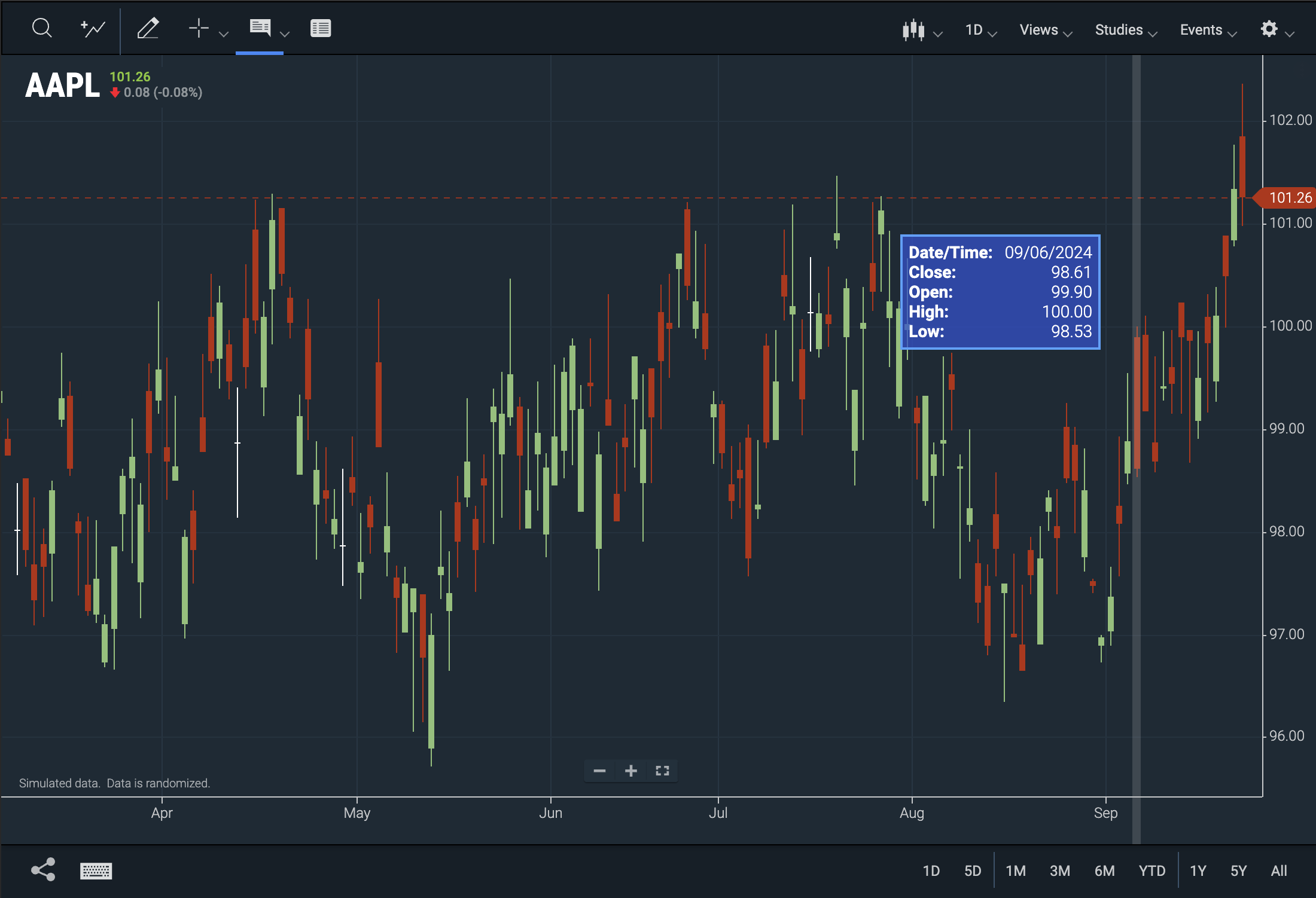 A further notable trend is the ongoing growth of RWA digitization on the Ethereum blockchain. Leading financial institutions and corporations are exploring methods to represent everything from government bonds and private credit to real estate on-chain. Ethereum's robust infrastructure and vibrant developer network make it a prime destination for these experiments. This merger of TradFi and decentralized finance might unlock trillions in worth and signifies a powerful application for the network outside of investment activity.
In the future, the eth price usd chart community faces both tremendous potential and daunting obstacles. Technological upgrades need to be delivered securely and effectively to keep the network's leading edge. The governing situation must become more defined to encourage large-scale trust and participation. Nevertheless, the pace of innovation within Ethereum continues without slowing. Whether it's network updates to growing practical uses, Ethereum continues to develop and strengthen its position as a essential component of the online economy.
The much-anticipated shift to a PoS consensus mechanism continues to move ahead. The effective deployment of the Shanghai upgrade, that at last allowed the unstaking of staked ETH, marked a crucial milestone. This event effectively finished the technical roadmap for the Merge and provided validation for validators. Now, focus has shifted to further enhancements aimed at boosting the network's capacity and lowering gas costs.
In particular, the next major goal involves proto-danksharding, a groundbreaking upgrade intended to drastically improve data availability for layer-2 rollups. This advancement is anticipated to lead to more affordable and quicker operations on chains like Arbitrum, Optimism, and zkSync. The wider ecosystem is watching carefully while developers work on this complex feature, that could serve as a major catalyst for mass adoption.
Meanwhile, the legal atmosphere for Ethereum remains a topic of serious scrutiny and discussion. The approval of physical Bitcoin ETFs by the U.S. Securities and Exchange Commission earlier this year has caused considerable conjecture about the possibility of similar funds for Ethereum. Several large investment firms have submitted requests for a physical Ethereum ETF, creating a pivotal ruling later this year.
The core question concerns whether the SEC will categorize Ethereum's native asset, Ether, as a security or a asset. The outcome of this classification will have deep consequences for the whole crypto sector. Many experts and advocates contend that Ethereum's decentralized structure and proof-of-stake model distinguish it from conventional securities, but the agency has stayed mostly non-committal to date.
On the adoption aspect, Ethereum's L2 ecosystem is experiencing rapid growth. These scaling solutions are now handling a significant portion of the overall transactions that originally might have congested the Ethereum mainnet. This pattern highlights a strategic move toward a rollup-centric roadmap, where Ethereum increasingly serves as a secure foundation for those high-throughput environments. The outcome is a increasingly user-friendly and productive environment for people and builders as well.
A further notable trend is the ongoing growth of RWA digitization on the Ethereum blockchain. Leading financial institutions and corporations are exploring methods to represent everything from government bonds and private credit to real estate on-chain. Ethereum's robust infrastructure and vibrant developer network make it a prime destination for these experiments. This merger of TradFi and decentralized finance might unlock trillions in worth and signifies a powerful application for the network outside of investment activity.In the future, the eth price usd chart community faces both tremendous potential and daunting obstacles. Technological upgrades need to be delivered securely and effectively to keep the network's leading edge. The governing situation must become more defined to encourage large-scale trust and participation. Nevertheless, the pace of innovation within Ethereum continues without slowing. Whether it's network updates to growing practical uses, Ethereum continues to develop and strengthen its position as a essential component of the online economy.