 This false thought continues to be perpetuated by the meat and dairy industries, in an attempt to influence people to continue consuming their actually health destroying products. National Research Council panel believes carcinogens from cooked meat happen "naturally"! The WHO (World Health Organization) says humans need about 5% of their daily calories to come back from protein to be healthy. Where do uncooked and dwelling foodist get their protein? Most all drinks purchased at the store have been processed (Including: soda, bottled juices, coffee, alcohol, and most others) and aren't included in a dwelling / uncooked foodist weight loss plan. Many teas that are bought in the store could have been processed at temperatures above 118 levels. Ones that you just develop yourself, or bought at a farmers market, are a lot fresher than foods bought within the grocery or health meals store. What is an important Think about Health? Avoiding Environmental Threats to Health - Do you know plastic off gasses and is toxic? I imagine life shouldn't be about 100% uncooked food, however about 100% well being. You might be "unhealthy" and eat 100% uncooked food, if you aren't eating the proper uncooked foods.
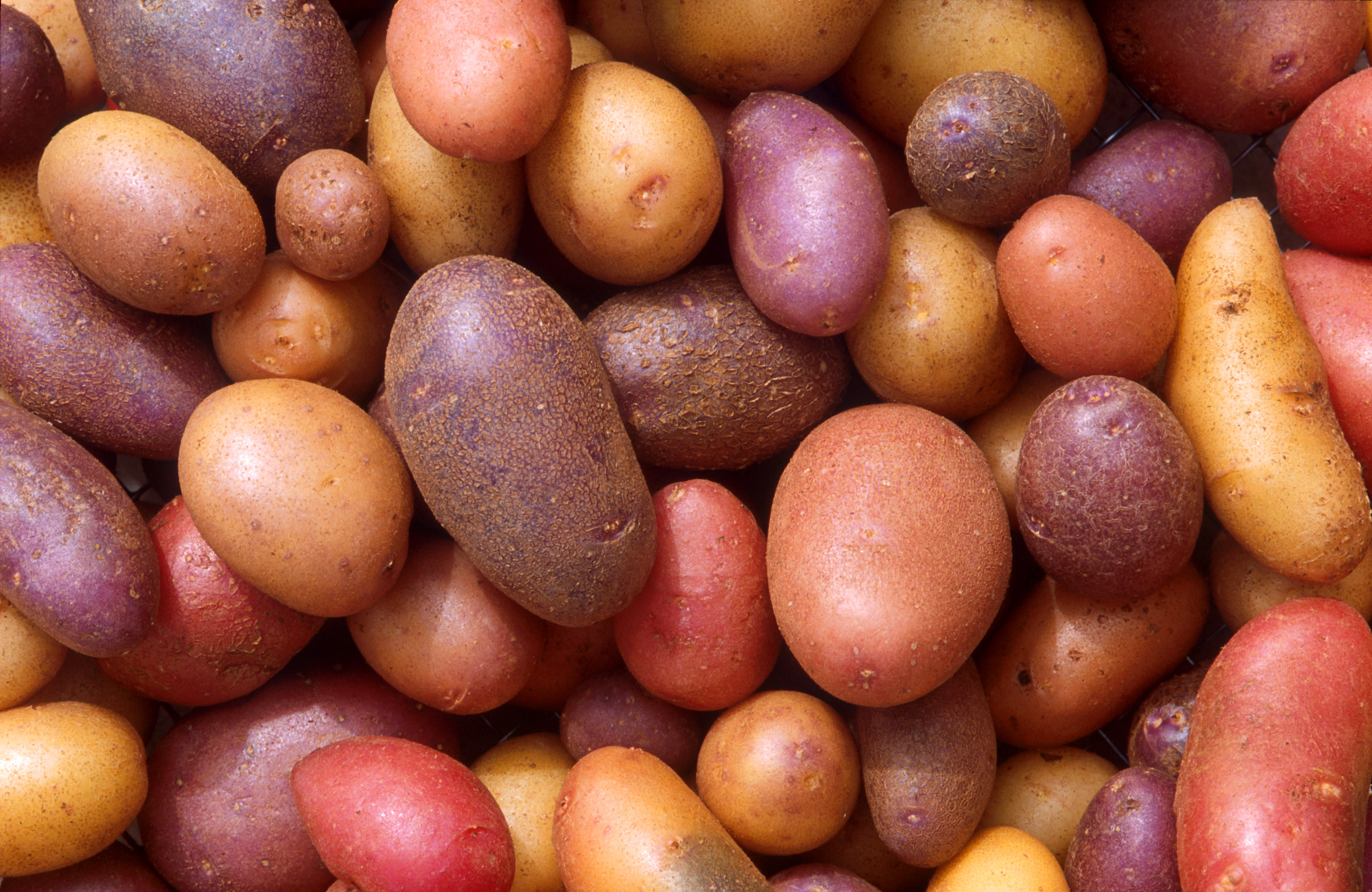 Is there a difference between dwelling foods and uncooked foods? Many individuals who eat all uncooked foods, sense a world of healthful distinction in our power, digestion and connectedness with nature by eating enzyme-wealthy dwelling foods. What is the difference between a raw/living foods food plan and a vegetarian one? In some cases, there are special methods to organize the foods (example: most raw and dwelling foodists soak/sprout nuts, seeds and grains earlier than consuming them). Water (purified water - by no means faucet water), Freshly made juices (made with your own juicer - and consumed instantly), coconut milk (from a young coconut), are among the liquids living and uncooked foodists drink. Milk Substitutes Made From Sprouted Oats & other nuts and grains - Discover ways to make some delicious milk! Sprouted seeds, beans, and grains comprise from 10-25% of their calories from protein. Other studies have shown that heat treating a protein (similar to with cooking) makes about half of it unusable to the human body. Numerous scientific research have shown the every day need for protein to be about 25-35 grams per day. This is based on studies accomplished on rats in the 1940's. This false conclusion was drawn before we found the our bodies protein recycling mechanism and its capacity to "full" any amino acid mix from our our bodies amino acid pool, it doesn't matter what the amino acid composition of a meal consumed.

The USDA places this determine at 6.5%. On average, fruits have about 5% of their calories from protein. So in the event you ate 2,000 calories per day, and ate uncooked plant foods that had a mean of 10% of their calories from protein, you'd get 200 calories worth of protein, or 50 grams. Vegetables have from 20-50% of their calories from protein. So in case you are consuming any variety of residing plant foods, you might be getting greater than ample protein. Vegetarians and vegans consider in only consuming a plant based diet. Living and Raw Foodists consider in eating only an UNCOOKED, UNHEATED, UNPROCESSED and Organic plant based weight loss program. Organic foods are grown without the use of these dangerous substances, taste higher, and are more nutritious. I personally eat 99.999% uncooked foods. The classifieds section is a great method to
