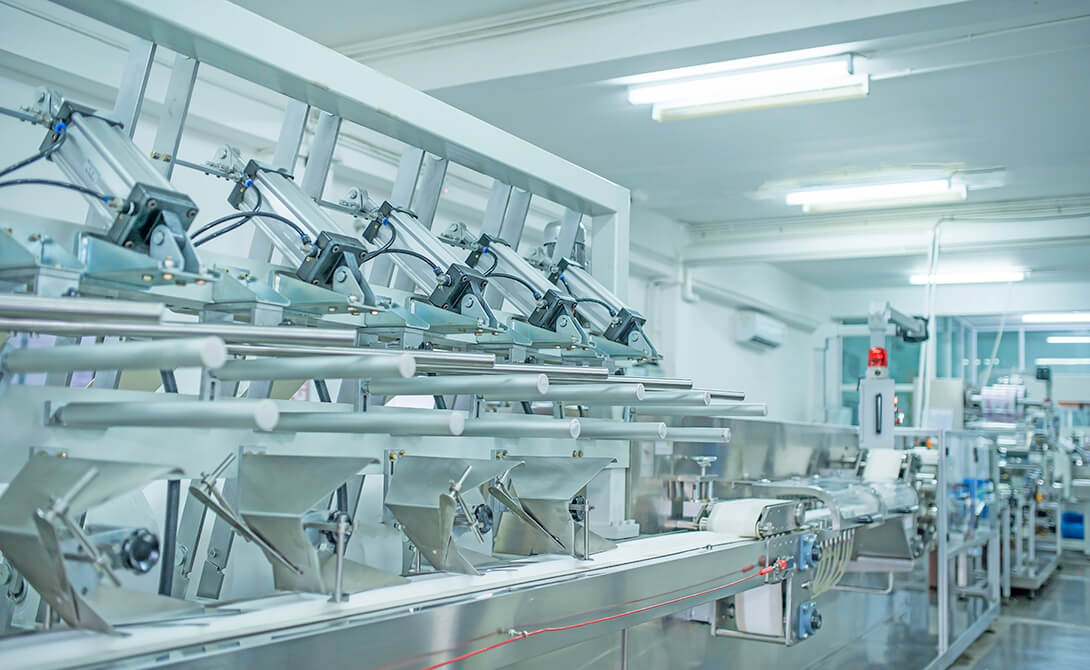
 Deciding to invest in a new health product line is a major commitment, and understanding why you should choose Dietary Supplement Manufacturing Factory Supplement Production as your core business strategy requires a look at market trends, consumer trust, and operational control. The global demand for preventative healthcare solutions has never been higher, with millions of consumers actively seeking vitamins, minerals, and herbal blends to fill nutritional gaps in their daily diets. Unlike many other consumer goods categories, when you produce your own supplements, you are not just selling a product; you are offering a tool for self-care that integrates seamlessly into modern lifestyles.
By owning the production process through a contract manufacturing partner that follows your exclusive formulas, you ensure that every bottle leaving the factory meets your exact specifications for potency, purity, and sensory qualities. Over time, this trust translates into word-of-mouth referrals and repeat purchases, which are the lifeblood of any supplement business.
If your manufacturing partner is agile and maintains a robust R&D department, you can go from a raw idea to a pilot batch in as little as four to six weeks, far faster than traditional distribution models permit. Moreover, when you control the production schedule, you can align launches with specific marketing campaigns, social media events, or podcast promotions, ensuring that inventory arrives precisely when demand peaks.
When you work with a reputable manufacturing service, you receive a complete Certificate of Analysis for every batch, documenting microbial counts, heavy metal levels, and active ingredient potency. By choosing a production house that prioritizes transparency, you can feature these seals directly on your packaging, immediately differentiating your brand from cheaper, unverified competitors.
Additionally, producing your own supplements allows you to create bundled SKUs such as a sleep stack that includes a magnesium capsule plus a melatonin gummy that are impossible to source from single white-label catalogs. Each additional market represents a new revenue stream without having to reformulate or rebrand, making the initial investment in production setup pay off many times over across your business lifecycle.
